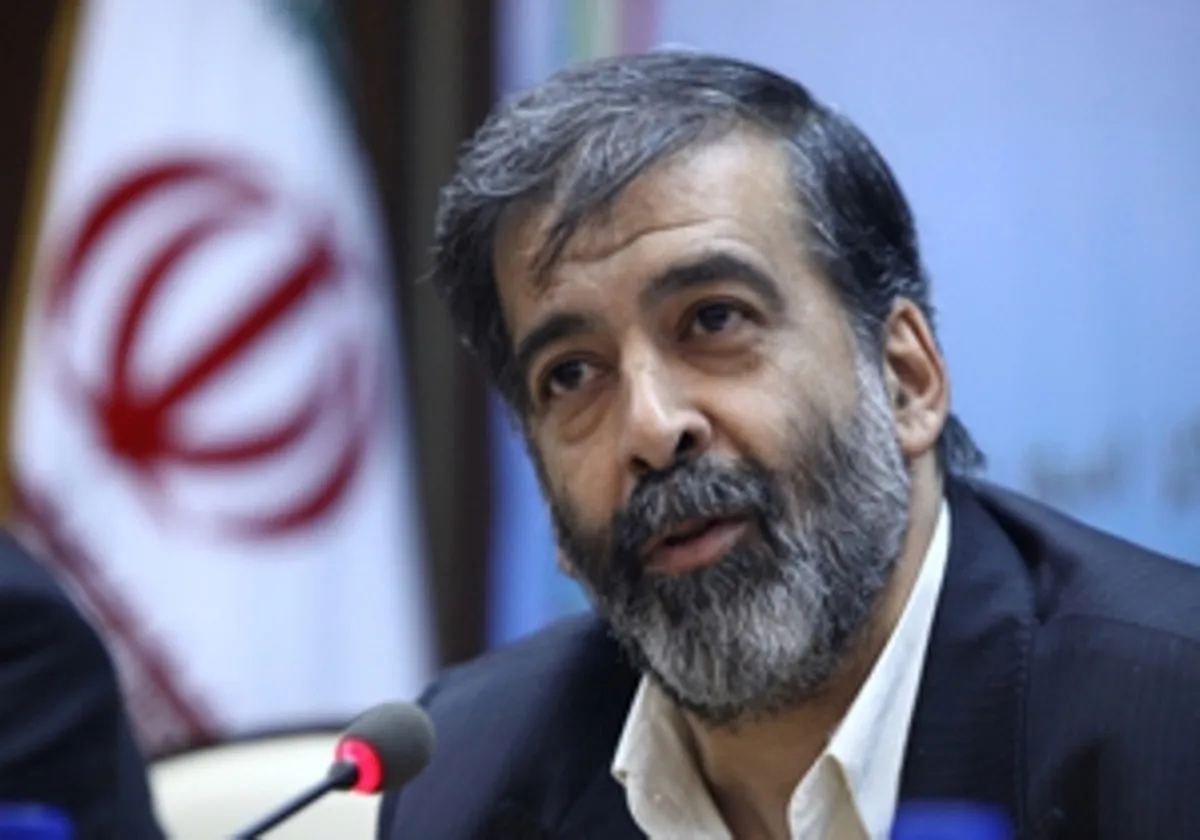
از موضع یک ژورنالیست کهنهکار با سالها تجربه در عرصه رسانه و مدرس ارتباطات. در این جایگاه، بیش از هر چیز به مسئولیت روایت، حقیقت و وجدان رسانهای باور دارم. شما را بهعنوان چهرهای رسانهای میشناسیم که روزگاری در کنار قدرت قرار داشتید و امروز در جایگاه نقد آن ایستادهاید. همین تغییر موقعیت، سخن گفتن با شما را معنادارتر میکند.
در ایران، «روز دختر»، روزی است که با سالروز ولادت حضرت فاطمه معصومه (س) همزمان شده و نمادی از تکریم دختران، آینده و کرامت آنان است. این روز باید سرشار از امید و زندگی باشد.
اما امسال، این روز با اندوهی عمیق همراه شده است. مردم کشورم، بهویژه دختران، با یاد و خاطره ۱۶۸ کودک بیگناه که در مدرسه کودکان شجره طیبه شهرستان میناب جان خود را از دست دادهاند، به خیابانها آمدهاند. کودکانی که باید در کلاسهای درس و در میان رؤیاهای ساده و پاک خود زندگی میکردند اما اکنون به بخشی از حافظهای زخمی و جمعی تبدیل شدهاند.
در این میان، نام دونالد ترامپ، رئیسجمهور ایالات متحده آمریکا، بهعنوان فردی که دستور چنین حملهای را صادر کرده، در ذهن مردم ما ثبت شده است. تصویری که شکل گرفته، تصویری است از کشوری که خود را مدافع حقوق بشر معرفی میکند اما در عمل، تصمیماتی میگیرد که جان بیدفاعترین انسانها—کودکان—را هدف قرار میدهد.
شما که امروز در جایگاه منتقد برخی سیاستها و تصمیمات قرار دارید، بهتر از بسیاری میدانید که رسانه فقط ابزار انتقال خبر نیست؛ بلکه سازنده روایت و شکلدهنده به وجدان عمومی است. پرسش من از شما، بهعنوان یک چهره تأثیرگذار رسانهای، این است: آیا رسانههای شما آمادهاند این تناقض را صادقانه بازتاب دهند؟ آیا حاضرند رنج «دیگری» را همانگونه ببینند که رنج «خودی» را میبینند؟
اگر چنین حادثهای در یکی از مدارس آمریکا رخ میداد و کودکان آمریکایی قربانی آن بودند، آیا باز هم سکوت، توجیه یا روایتهای تعدیلشده حاکم میشد؟ یا موجی از خشم اخلاقی و مطالبهگری جهانی شکل میگرفت؟
مسأله امروز، صرفا یک اختلاف سیاسی یا ملی نیست؛ مسأله، جایگاه حقیقت در رسانه و جایگاه انسان در روایتهای قدرت است. آیا میتوان از آزادی بیان سخن گفت اما در برابر خون بیگناهان، روایت را مدیریت و محدود کرد؟
امروز، در روزی که باید نماد شادی و آینده برای دختران باشد، این پرسش در برابر شما و همکارانتان در رسانههای آمریکا قرار دارد: آیا صدای این کودکان شنیده خواهد شد، یا در هیاهوی سیاست، خاموش خواهد ماند؟
این نامه، دعوتی است به مسئولیت—مسئولیت رسانهای، مسئولیت اخلاقی، و مسئولیت انسانی. پیش از آنکه تاریخ، روایت خود را تثبیت کند و نقش رسانهها را در شکلگیری یا پنهانسازی حقیقت، برای همیشه ثبت نماید.
با احترام. یک ژورنالیست کهنهکار و استاد ارتباطات
Mr. Tucker Carlson,
A prominent host in American media,
I write these lines from Iran—a land with a millennia-old heritage of culture and thought, where the sanctity of the child and the dignity of the human being are integral to our historical and moral identity. I speak from the position of a veteran journalist with many years of experience in the media field and as an instructor of communication. From this standpoint, I believe above all in the responsibility of narrative, truth, and media conscience. We recognize you as a media figure who once stood alongside power and today stands in a position of critique. This shift makes addressing you all the more meaningful.
In Iran, “Girls’ Day” coincides with the anniversary of the birth of Hazrat Fatimah Masumeh (peace be upon her) and serves as a symbol of honoring girls, their future, and their dignity. It is a day that should be filled with hope and life.
But this year, the day has been overshadowed by profound sorrow. The people of my country—especially girls—have taken to the streets in remembrance of 168 innocent children who lost their lives at the Shajareh Tayyibah Children’s School in Minab County. Children who should have been living in classrooms and within the simple, pure world of their dreams have now become part of a wounded and collective memory.
[4/21/2026 4:41 PM] هادیزاده جام جم: In this context, the name of Donald Trump, the President of the United States, has been etched in the minds of our people as the one who ordered such an attack. The image that has taken shape is that of a country which presents itself as a defender of human rights, yet in practice makes decisions that target the most defenseless of human beings—children.
You, who now stand in a position of critique of certain policies and decisions, know better than most that media is not merely a tool for conveying news; it is a constructor of narratives and a shaper of public conscience. My question to you, as an influential media figure, is this: Are your media outlets prepared to reflect this contradiction honestly? Are they willing to see the suffering of the “other” in the same way they see the suffering of their “own”?
If such an incident were to occur in one of the schools in the United States, and American children were the victims, would silence, justification, or moderated narratives still prevail? Or would a wave of moral outrage and global demands for accountability emerge?
The issue today is not merely a political or national dispute; it is about the place of truth in the media and the place of the human being within narratives of power. Can one speak of freedom of expression while managing and limiting the narrative in the face of innocent blood?
Today, on a day that should symbolize joy and the future for girls, this question stands before you and your colleagues in the American media: Will the voices of these children be heard, or will they be silenced amid the noise of politics?
This letter is an invitation to responsibility—media responsibility, ethical responsibility, and human responsibility—before history solidifies its narrative and permanently records the role of the media in shaping or concealing the truth.
Respectfully,
A veteran journalist and professor of communication



متخصصان در گفتوگو با جامجم از پیشگیری تا درمانهای نوین نابینایی میگویند


